Introduction
Quinton ‘Rampage’ Jackson, the former MMA champion turned public figure, has voiced concern after his son, Raja Jackson, was involved in an incident that left a fellow wrestler injured. The story, which gained traction after initial reports, has sparked debate across combat sports and professional wrestling communities about safety, training practices and the blurred lines between staged performance and real harm.
Background
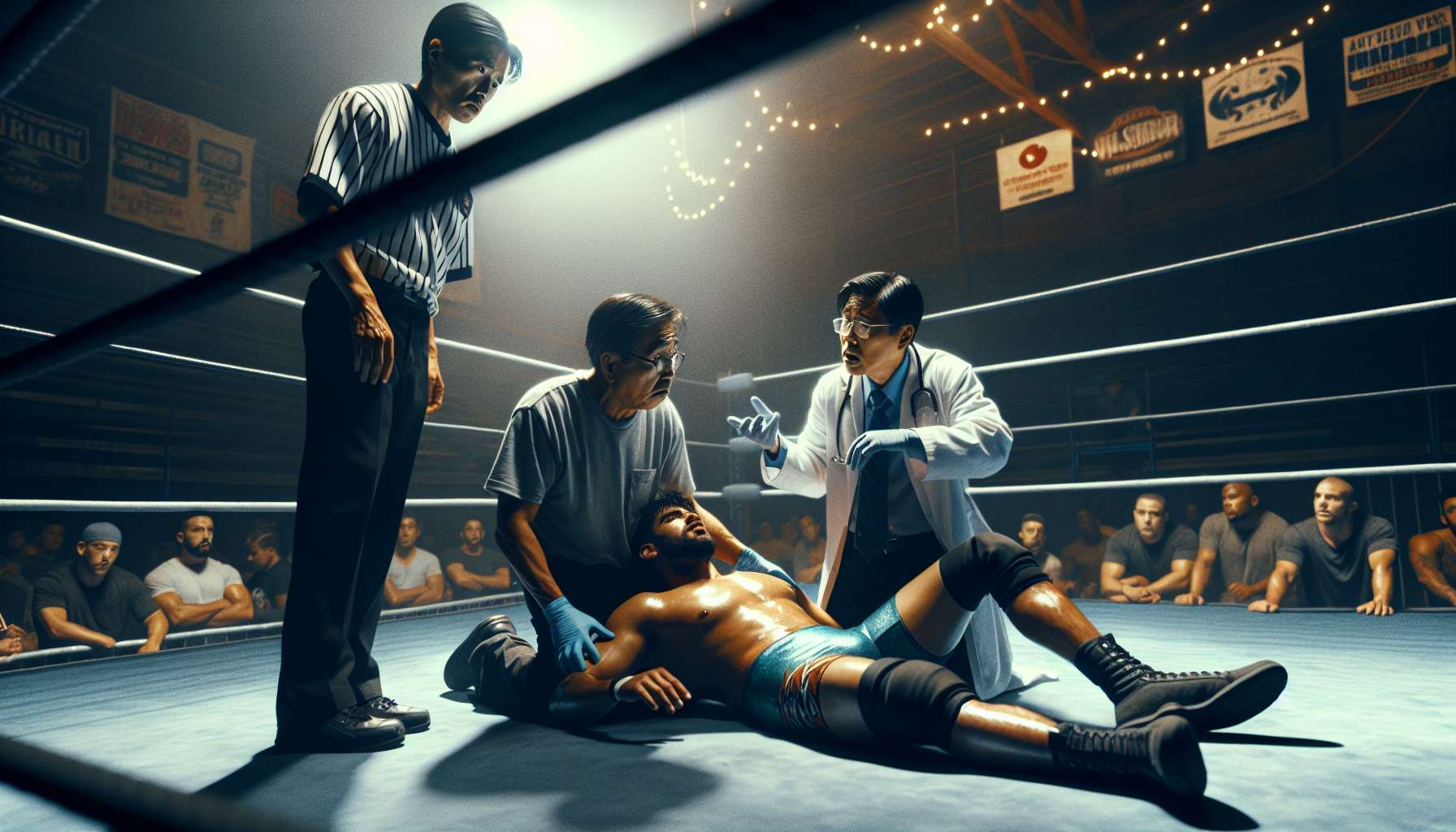
Raja Jackson, who has been carving out a presence in the independent wrestling scene, was part of a recent match where a sequence resulted in an opponent sustaining a noticeable injury. Early accounts described the move as a botched spot — a mistimed or misexecuted maneuver that can turn a rehearsed stunt into a dangerous reality. Media outlets picked up the story quickly, and images and clips circulated on social platforms, feeding speculation and concern.
Quinton Jackson himself, an athlete familiar with the physical toll of contact sports, publicly reacted to the reports. His comments emphasized worry for the injured wrestler and frustration that such incidents can happen when performers are learning or when safety protocols break down. For many fans, the involvement of a high-profile parent adds an emotional element: a veteran athlete protecting his family’s name while advocating for better standards.
Analysis
The incident raises several layers of discussion. First is the technical aspect: professional wrestling blends choreography with real physicality, and even experienced performers can be caught out by a mistimed move or a change in momentum. Independent circuits — where many up-and-coming talents gain experience — often operate with thinner budgets, smaller crews and fewer safety resources than major promotions, creating an environment where mistakes carry greater risk.
Second is the cultural perspective. Wrestling promotes an image of toughness, and errors are sometimes downplayed as part of the business. However, the increasing visibility of injuries thanks to social media means audiences and industry stakeholders are less willing to accept them as mere spectacle. A frank discussion about training, match planning and medical readiness is overdue, particularly where young athletes are involved.
Third, there is the parental and reputational dimension. Quinton Jackson’s concern is understandable: as a seasoned combat sports figure, he knows how quickly a career can be derailed by injury. His response could prompt promoters and trainers to reassess how they integrate rising talents into higher-risk spots. It may also lead to calls for more formalized oversight on independent shows — from mandatory medical personnel ringside to stricter protocols about which moves are appropriate for less experienced performers.
Finally, the fallout will likely be shaped by how all parties communicate in the coming days. Transparent medical updates, responsibility taken by those involved in the match, and constructive steps to improve safety will help defuse tensions. Conversely, finger-pointing or silence could inflame fans and harm the reputations of those linked to the incident.
Final take
This episode is a reminder that the pageantry of pro wrestling depends on real-world safeguards. As the scene evolves and new talents like Raja Jackson emerge, balancing spectacle with safety must be a priority. Quinton Jackson’s public concern underscores that even in entertainment-driven sports, the human cost of error is never only part of the show — and it will likely push conversations about training, accountability and medical oversight into sharper focus across the industry.