Introduction
Quinton “Rampage” Jackson has spent two decades living with the noise of combat sports — the shouts, the camera flashes, the sudden silence that follows a scary landing. This week, that silence belonged to him. According to a BBC report, the former UFC light heavyweight champion expressed concern after his son, Raja Jackson, was involved in an incident that left a wrestler injured during a training session. The moment, captured and shared widely on social media, has opened a fresh debate over crossover athletes, training intensity, and how a new generation learns to balance spectacle with safety.
Background
Jackson’s pedigree is unmistakable. Quinton rose to global fame through Pride and the UFC on the back of thudding power, rugged durability, and a showman’s flair. His highlight-reel slams became signature moments, equal parts athleticism and intimidation. It’s no surprise that his son, Raja, grew up around mats and rings, absorbing technique and swagger in equal measure.
In recent years, athletes have moved between mixed martial arts and professional wrestling at an accelerating pace, chasing bigger audiences and longer careers. The skills overlap: body control, timing, and the ability to sell a moment. But the expectations differ. Pro wrestling is a cooperative performance art built on trust and choreography. MMA is calibrated chaos. Learning where those worlds meet — and where they don’t — is the challenge for any crossover prospect.
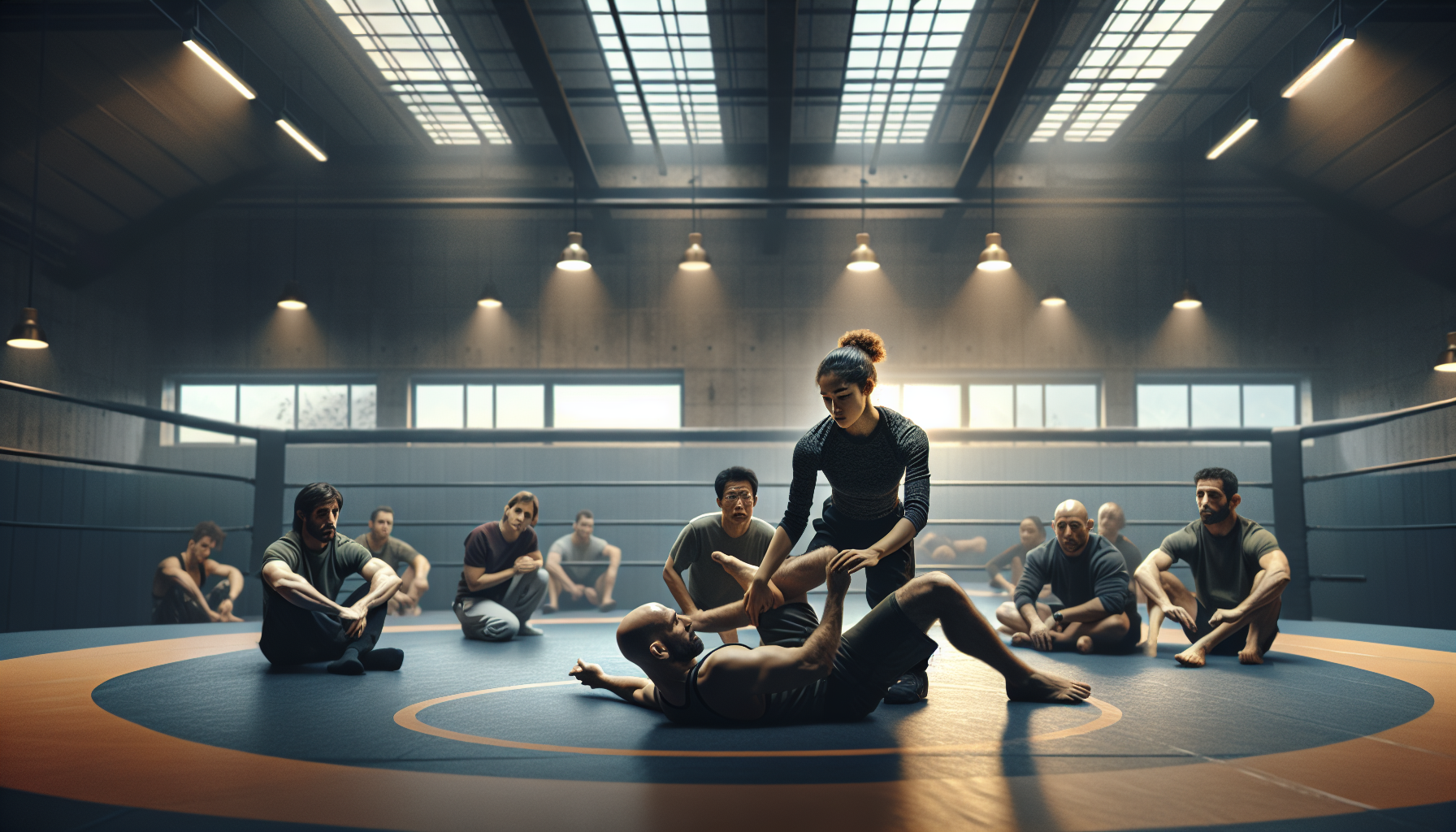
The incident involving Raja reportedly occurred during a controlled session that simulated live scenarios. Details of the injury have not been made public, but the scene was serious enough to prompt immediate medical attention and force a pause in training. In comments highlighted by the BBC, Quinton voiced what many parents in sports quietly feel: pride in their child’s ambition, tempered by the fear of a harsh lesson learned too soon.
Analysis
There are two stories here. The first is about a promising athlete finding the edge of his power. The second is about a sport ecosystem grappling with how to integrate momentum-rich prospects without sacrificing the fundamentals of safety.
Raja’s physical tools are obvious. He carries the explosive leverage that once made his father a phenomenon, and he trains in an era that celebrates big moments — the kind that go viral. But power without polish can become hazardous, especially in a collaborative environment like pro wrestling. The mechanics of high-amplitude throws, the distribution of weight, the placement of a partner’s head and neck — these details can mean the difference between a show-stopping highlight and a stretcher.
Coaches who bridge MMA and pro wrestling argue that the best development plans begin with deceleration, not acceleration. That means learning how to receive contact safely, how to hold a partner through impact, and how to turn instinct into technique. The process can be slow, but it’s necessary. Young athletes who come from combat sports often carry an internal metronome tuned to competition speed. Dialing that rhythm down for performance-based training takes repetition and patience.
The larger conversation also extends to social media. Clips that condense a complex drill into a five-second burst can distort the work behind it. When an injury occurs, the internet tends to assign blame before facts are fully known. In this case, the appropriate next step is boring but vital: review the footage in detail, consult with coaches and medical staff, and adjust training protocols accordingly.
From a career standpoint, this moment is not a verdict on Raja Jackson. It’s a checkpoint. Many notable performers — in MMA, pro wrestling, and amateur wrestling alike — have encountered hard lessons early on and emerged wiser and safer for it. For Raja, the path forward likely includes honing timing, refining grips, and building trust with partners who understand his style and can communicate clearly in the ring.
For Quinton, the father’s perspective is poignant. He knows better than most where raw aggression can lead, and he understands the responsibility that comes with a famous surname. His public concern isn’t a condemnation of his son’s future; it’s a reminder that legacy requires stewardship. Power needs a harness, and the best coaches help build it.
Conclusion
The injury that prompted Quinton Jackson’s concern should be treated as a learning moment — for Raja, his training circle, and an industry eager to showcase generational talents. The appeal of crossover stars is real, and the potential is undeniable, but the standard for safety must travel with them.
Raja Jackson still has time to align his considerable athletic gifts with the discipline and nuance his chosen path demands. If he does, he can carve out a career that honors the Jackson name while standing on its own. The next steps are clear: slow the tempo, master the basics, and prioritize the person across the ring as much as the crowd beyond it. In the long run, that approach doesn’t dim the spotlight — it keeps it shining.