Introduction
UFC CEO Dana White said a plan to stage a mixed martial arts event at the White House is on, emerging from meetings in Washington, D.C., with a declaration that instantly set the combat sports world buzzing. No date, fight card, or format has been announced, and there has been no formal confirmation from the White House. But White’s confidence, delivered after a high-profile visit to the capital, signals the promotion’s latest bid to push into unprecedented territory.
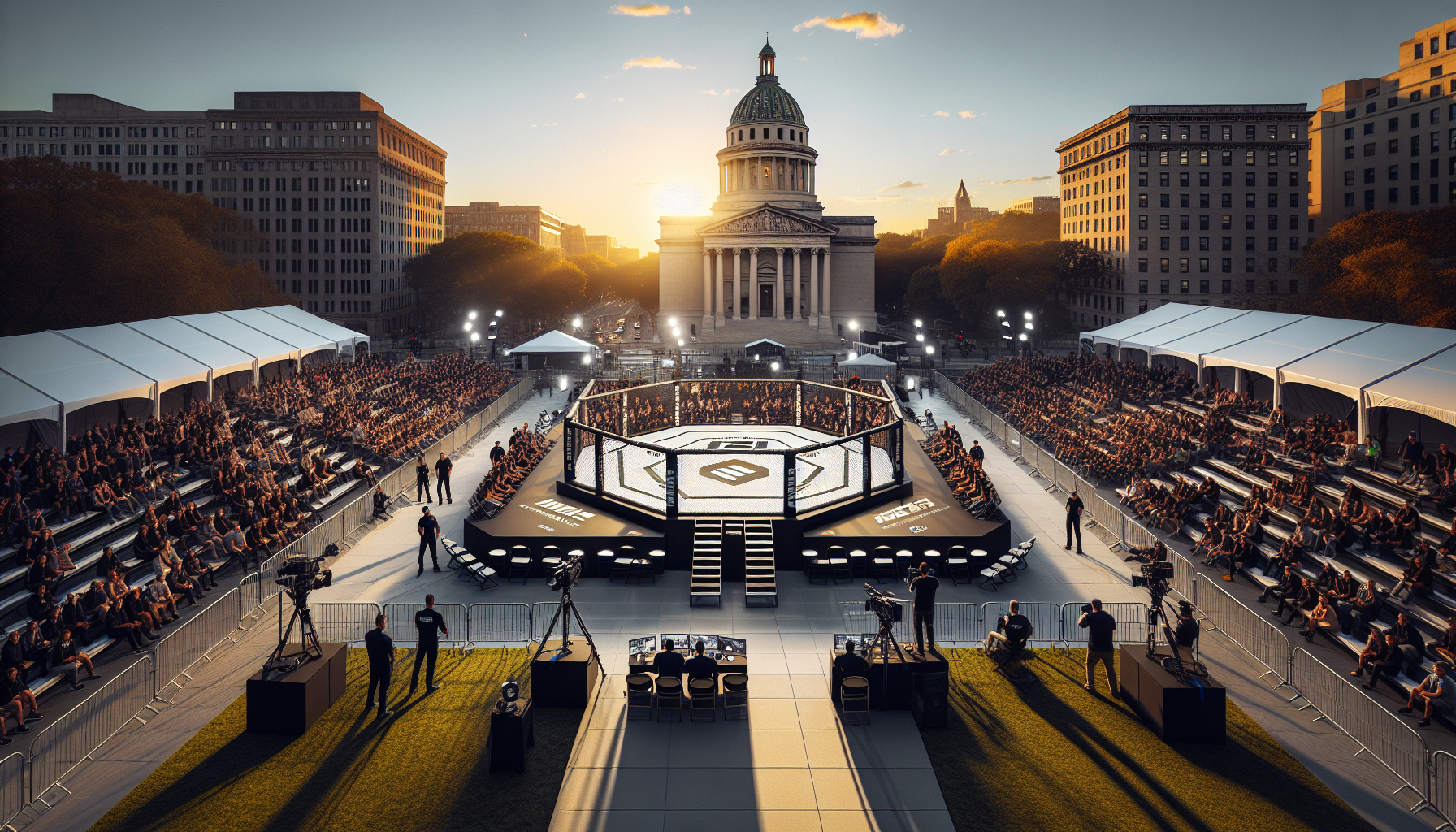
If it happens, the event would be a first for a major MMA card on White House grounds and one of the most audacious venues in modern sports. It would also require a complex alignment of security, regulatory, and broadcast interests before any athlete sets foot on a competition surface.
Background
The UFC has spent two decades turning improbable venues into marquee moments. It reopened New York to MMA with a landmark card at Madison Square Garden in 2016, packed soccer stadiums in Australia for historic title bouts, and built the pandemic-era Fight Island concept in Abu Dhabi to keep events running when global travel was fractured. The promotion’s footprint is now global, but staging an event in the symbolic heart of American political life would be a new frontier.
Washington, D.C., is not new territory for the UFC. The promotion last visited the city in 2019 at Capital One Arena, drawing a strong gate and a national TV audience. The White House, however, is a different stage entirely. Athletic demonstrations have occasionally appeared on the South Lawn, and championship teams have been welcomed for ceremonies for decades. Theodore Roosevelt even famously trained in boxing and judo during his presidency. But a fully produced, broadcast-ready MMA event on the grounds would be without precedent.
White’s relationship with political power brokers is well documented, and the UFC’s commercial engine has rarely shied from big swings. Even so, the leap from idea to event in this case is enormous.
Analysis
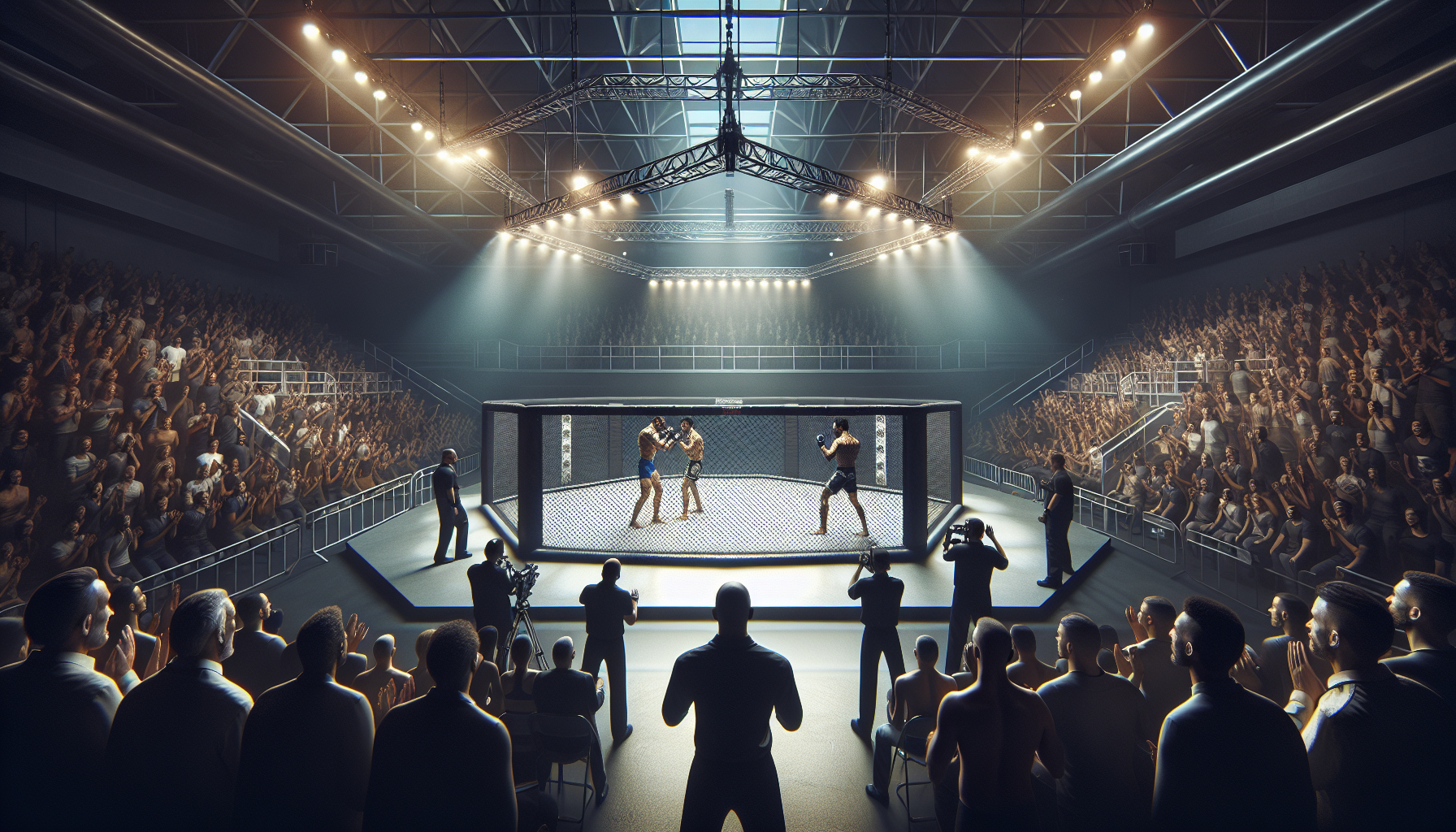
Logistics and security would define the project. Any competition area, seating, and broadcast infrastructure would have to be built to strict specifications and cleared by federal agencies, led by the U.S. Secret Service. Load-in and load-out windows, lighting rigs, and camera platforms would require minute planning in a sensitive zone. Crowd size would likely be limited, which suggests a television-first spectacle with a small, carefully credentialed audience rather than a typical arena show.
Regulation is another key piece. Athletic commissions sanction MMA in their jurisdictions; in Washington, D.C., regulated events typically fall under the District’s Boxing and Wrestling Commission. An event on White House grounds would involve federal property and potentially overlapping authorities. That means promoters, regulators, and security officials would need to align on medical protocols, weight checks, drug testing coordination, and emergency response plans. Nothing about that process is trivial.
Then there is the broadcast equation. The UFC’s existing partnerships and pay-per-view strategy drive the cadence of its calendar. Any White House event would have to land in a prime broadcast window, and sponsors would face stricter visibility rules on federal property. Expect potential limits on signage, alcohol or betting integrations, and other on-site activations. The trade-off is reach: the visuals alone — a world-class MMA event framed by the South Lawn or a view toward the Washington Monument — would be unlike anything in sports television.
Competitive stakes will matter, too. For a venue this symbolic, the UFC would want star power. Whether that means anchoring the night with a championship bout or a high-profile non-title main event, the card would need names that resonate beyond the sport’s hardcore base. That calculus will be shaped by timing — injuries, divisional traffic jams, and the promotion’s existing pay-per-view commitments.
Public perception is another variable. The spectacle would be hailed by some as a uniquely American mash-up of sport, media, and national iconography. Others may question whether combative sports belong on the grounds of the executive residence. The UFC has navigated cultural debates before, often leaning into controversy and emerging with larger audiences. But the optics here will be scrutinized from every angle.
Conclusion
For now, White’s assertion that the White House event is on should be read as intent, not final approval. Multiple layers of sign-off must still happen, and those approvals rarely come quickly. Yet the mere possibility underscores where the UFC sees its brand in 2025: not just a fight promotion, but a global entertainment property willing to turn the country’s most recognizable address into a live stage.
If the pieces fall into place, a White House MMA event would be a broadcast landmark and a logistical feat, reshaping expectations for where major sports can be staged. If not, it will remain a striking what-if in a long line of audacious UFC ideas. Either way, the signal is clear: the promotion is hungry for its next big moment, and it’s aiming for the most famous lawn in America.