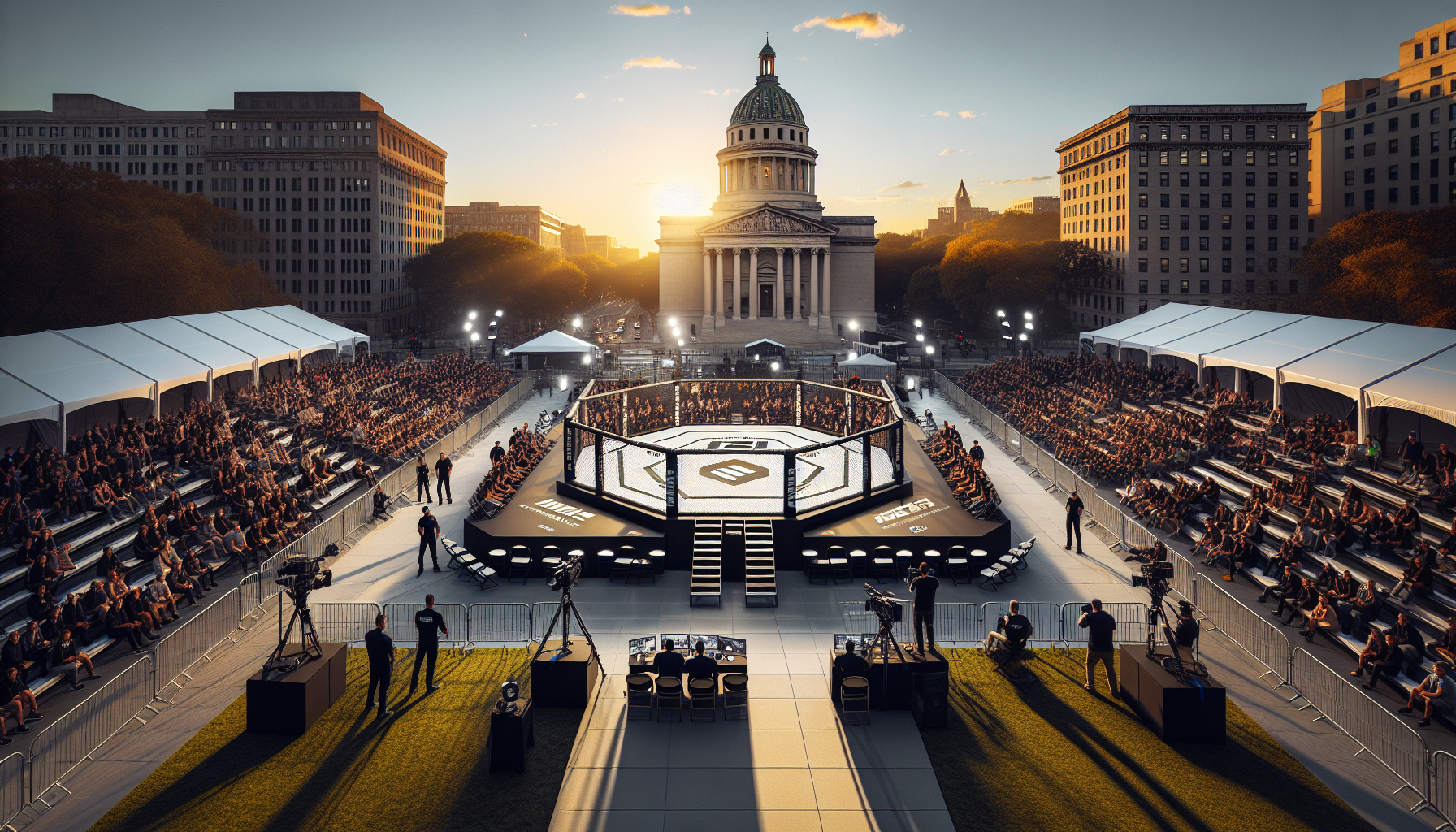
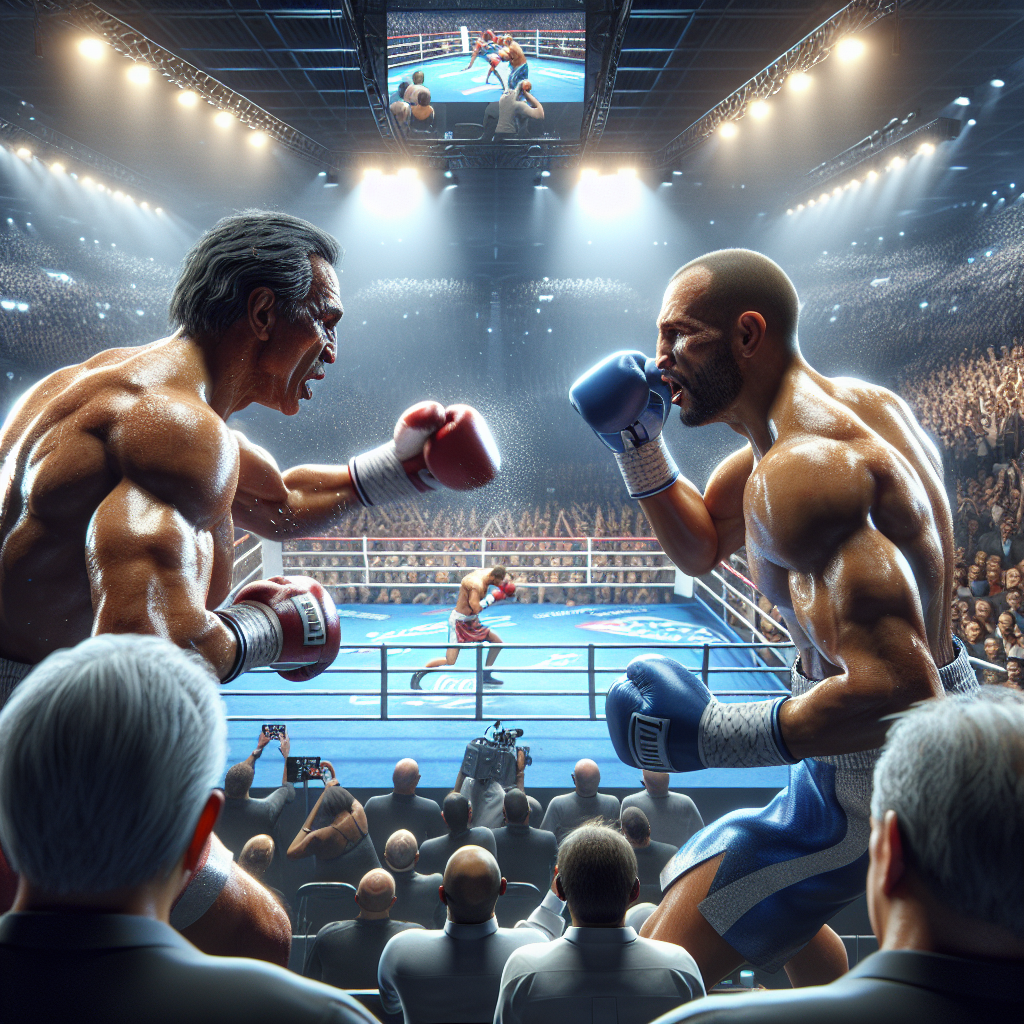
In a controversial move that has sent shockwaves through the boxing community, streaming platform DAZN delayed the start of the highly anticipated Canelo Álvarez vs. Sergey Kovalev boxing match to accommodate fans of UFC 244, which featured the megafight between Jorge Masvidal and Nate Diaz. This decision, seen by many as a subtle nod to the growing dominance of mixed martial arts, has reignited the debate over boxing’s diminishing spotlight in the evolving sports entertainment landscape.
Canelo Álvarez, one of the sport’s premier stars and a cornerstone of DAZN’s boxing ambitions, was set to face Russian powerhouse Sergey Kovalev in a bout that promised high drama and historical implications. Álvarez, stepping up two weight classes to challenge the WBO light heavyweight champion, was taking on one of the most daring challenges of his career. A victory would place him among boxing’s elite multi-division champions and cement his legacy as a modern-day great.
Yet, rather than capitalize fully on the momentum leading into the fight, DAZN made the surprising call to delay the bout for over an hour after the co-main event concluded, keeping both fighters waiting in their dressing rooms. The reason? To wait for UFC 244, broadcast on a rival platform, to finish so fans wouldn’t have to choose between the two events.
The implications are significant. Traditionally, boxing has owned Saturday nights, with pay-per-view broadcasts and prime-time slots reserved for marquee fights. But the decision by DAZN hints at a shift toward acknowledging UFC’s drawing power among younger, more digitally engaged audiences. Jorge Masvidal and Nate Diaz delivered a gritty and much-hyped fight at Madison Square Garden, culminating in a TKO victory for Masvidal due to a doctor’s stoppage. The UFC card commanded major attention across social media and online platforms—and DAZN clearly didn’t want the Canelo-Kovalev showdown to compete.
Critics argue that this move undermines boxing’s stature. Asking world-class boxers to delay their ring walks out of deference to another combat sport is unprecedented—and perhaps humiliating. For fighters who operate based on routine, timing, and mental preparation, such a disruption can be consequential. Moreover, it sends a message to fans that the promotional dollars and global spotlight boxing once commanded may now be shifting in another direction.
However, others view DAZN’s maneuver as a savvy business decision. With cord-cutting tendencies on the rise and direct-to-consumer platforms fighting for survival in an oversaturated market, cross-platform awareness and viewership maximization have become vital tactics. DAZN gambled that UFC fans would stick around for Canelo—a move that may have paid off in subscriber retention and online buzz.
Still, the symbolism of the moment lingers. Boxing, a sport once known for its grandeur and exclusivity on fight night, took a backseat to the raw appeal and unfiltered hype of MMA. If this trend continues, traditionalist boxing fans may continue to feel the sport is losing ground.
In the end, the fight itself didn’t disappoint—Canelo won via 11th-round knockout in a display of surgical precision and power. Yet for all its excitement, the legacy of this night may be remembered more for its delayed start time than for the stunning finish inside the ring.